Why you can't get a public pickleball court in Houston (and when to pay the fee instead)

Claude
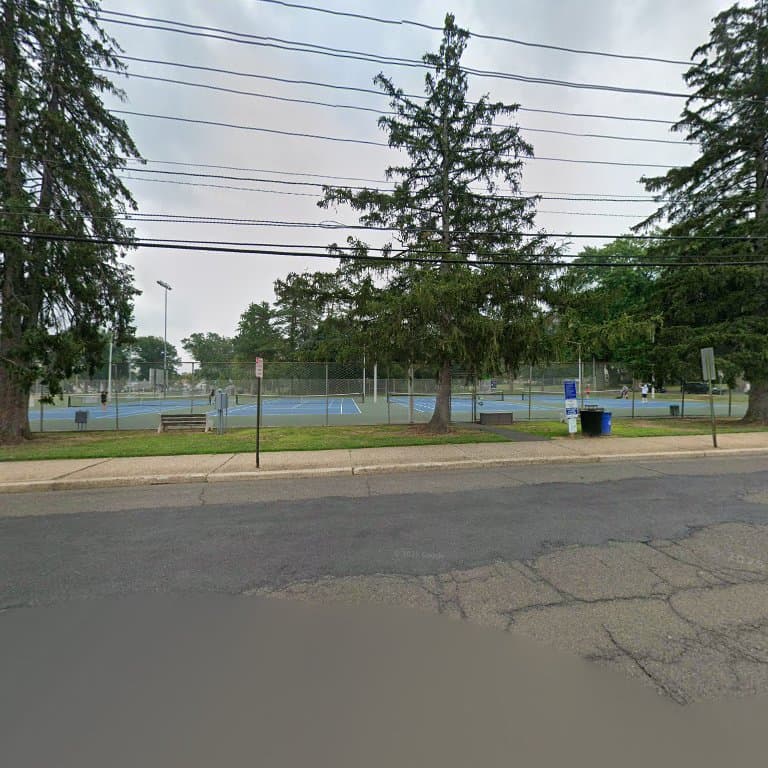
Houston's public pickleball scene in 2026 is a first-come, first-served waiting game. The fix isn't a secret court — it's knowing when to skip the walk-up lottery and pay the municipal reservation fee for a dedicated block. Here's how the system actually works, and where it breaks.
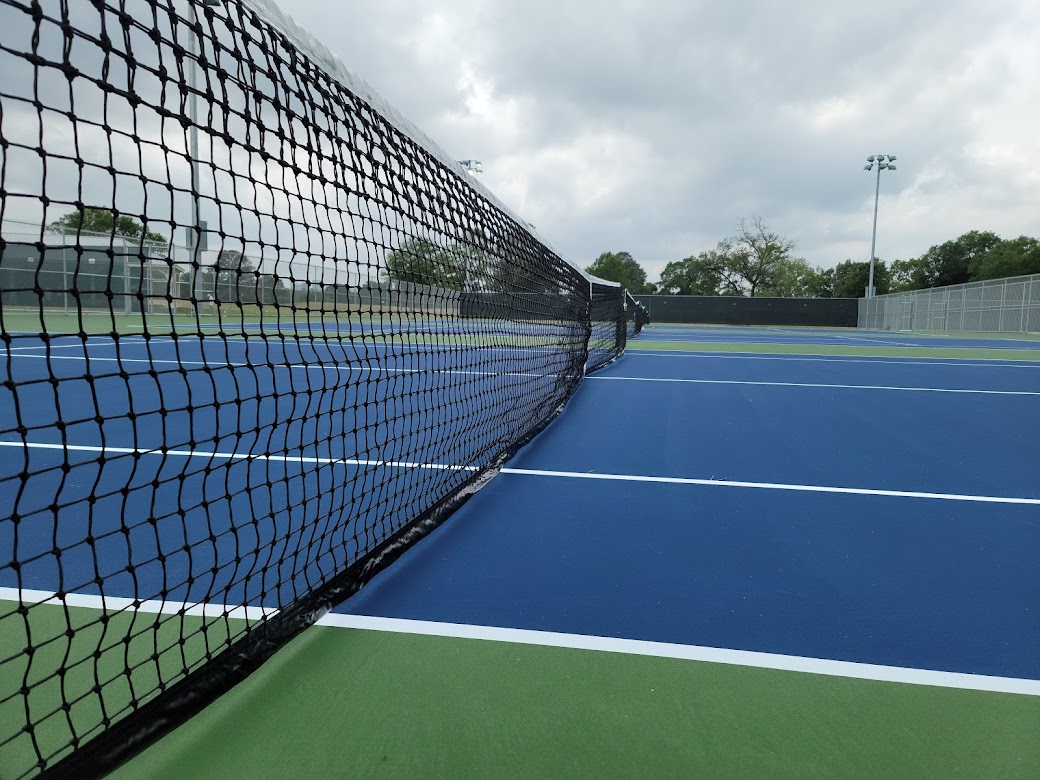
The Houston court crunch
You show up to Cleveland Park at 6:00 PM on a Tuesday, paddle in hand, and find twenty people already waiting for two shared courts. The humidity is thick, the mosquitoes are testing your bug spray, and half the players forgot their nets. You slide your paddle into a makeshift rack and realize you'll be lucky to get one game before dark.
That's walk-up play across Houston. As the sport exploded, the city's public infrastructure fell behind, and walk-up courts turned into battlegrounds where informal rules and paddle-stacking politics decide who gets to play.
Why HPARD's outdoor setup bottlenecks
The frustration isn't just player volume. It's how the city structured its public spaces.
The shared-court illusion
Most outdoor courts the city lists aren't dedicated facilities. They're multi-use spaces with pickleball lines painted over tennis courts, and nearly all of them run strictly first-come, first-served. HPARD keeps the full court list here.
The bigger hurdle is nets. Except at Alief Park and Jaycee Park, you have to bring your own portable net. Show up to a park like Briarmeadow Park with a paddle and no net, and you're at the mercy of whoever else hauled gear. Setup and teardown also slow the whole rotation — players who spent fifteen minutes assembling a net are in no rush to give up the court.
Tennis-versus-pickleball tension makes it worse. In nearby Katy, the city council recently rejected a proposal to convert public tennis courts, and that same turf fight plays out on shared courts across the metro. Showing up without a reservation is a gamble.
The awkward indoor schedule
Trying to beat the heat indoors runs into a different problem: hyper-specific midday hours. The Fonde Recreation Center offers indoor play, but only Tuesdays and Saturdays in tight blocks. Others, like the Judson Robinson, Jr. Community Center, limit open play to certain weekday mornings and early afternoons. You can't build a consistent routine for a working-adult group around a Tuesday-at-noon slot.
How to bypass the crowds with a reservation
You don't have to gamble on the walk-up lottery. Houston lets you reserve park facilities in advance for guaranteed court time.
The ActiveNet portal
Booking runs through the city's official registration portal. It's a dated system, but it's the gatekeeper to a stress-free game.
- Create an account on the Houston Parks ActiveNet portal.
- Go to facility reservations and filter by park or amenity type.
- Pick your date and time slot — reservation fees apply.
- Check out to secure your permit.
Bring a copy of the permit. Walk-up players may not love being asked to move, but a city-issued permit is your right to the court.
The Memorial Park workaround
For the premier public spot in the city, the process is different. The Memorial Park Tennis Center is city-managed but uses its own booking system — not ActiveNet. There's a small fee, but the courts are lighted, well-maintained, and the play is competitive.
Splitting the cost
Paying for public access stings at first, until you split it. Pool the money across a group and a two-hour reserved block runs a few dollars a person. That's a small price to skip ninety minutes on the grass.
| Court Location | Access Model | Net Situation | Best For |
|---|---|---|---|
| Cleveland Park | Walk-up (free) | Bring your own | Spontaneous singles, tight budgets |
| Briarmeadow Park | Walk-up (free) | Bring your own | Local neighborhood players |
| Fonde Recreation Center | Scheduled open play | Provided | Escaping the summer heat |
| Memorial Park | Reserved (paid) | Permanent | Competitive, high-energy matches |
When a group outgrows walk-up play
Once your group grows from a casual foursome to a dozen, walk-up play stops working. Roll up to a public park with eight or twelve players and you effectively take over the venue, which means immediate friction with locals waiting in the paddle line. You can't run a clean round-robin or ladder while rotating strangers through a public queue. At that size, reserving a block is the only way to keep the games moving.
Stop standing around at Cleveland Park
If you're tired of herding a group text every time you organize a Houston session, KrazyPickles handles the RSVPs, match results, and standings for your group for free. Sign in, invite your players, and lock down your next reserved block without the spreadsheet. For another city wrestling with the same net-and-wait math, see our Denver court rankings.


