San Jose has more than 30 public pickleball courts, and the quality swings wildly from pristine modern cement to cracked, decayed asphalt. Picking one at random is how you end up driving across town to a missing net, a 45-minute wait, or a surface that slopes toward the fence. Here's how the top public spots actually play, so you can match the court to your group before you pack the car.
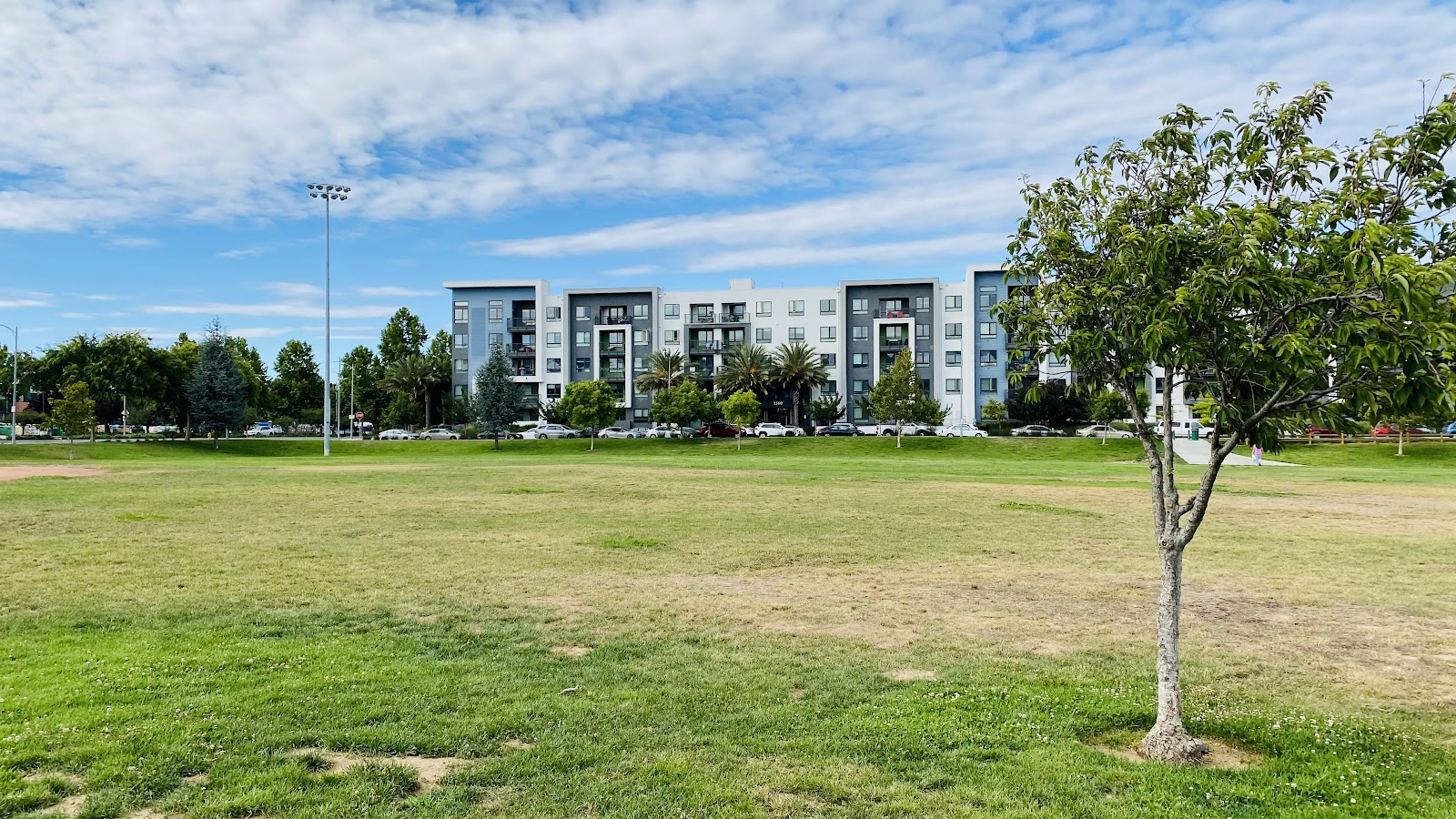
Quick verdict: best courts by player type
- Best all-rounder: John Mise Park — dedicated courts, permanent nets, no reservation.
- Advanced playground: Canoas Park — fast, aggressive 3.5+ play.
- Evening capacity: Wallenberg Park — nine lighted courts, but bring your own nets.
- Best social scene: Calabazas Park — big post-4 PM crowds, painted overlays under LED lights.
Finding the right match isn't just about showing up. Each park has its own unwritten rules, and knowing them ahead of time is the difference between a good session and a wasted evening.
Head-to-head court comparison
| Park | Courts | Nets | Lights | Surface | Best for |
|---|---|---|---|---|---|
| John Mise Park | 4 dedicated | Permanent | No | Excellent cement | Intermediate & casual |
| Canoas Park | 6 overlays | Provided by club | No | Good hard court | 3.5+ competitive |
| Wallenberg Park | 9 overlays | Bring your own | Yes | Cracked asphalt | Large evening groups |
| Calabazas Park | 6 overlays | Bring your own | Yes (LED) | Good tennis surface | Late-night matchups |
| Lone Hill Park | 3 overlays | Permanent/drawn | No | Sloped hard court | Morning neighborhood play |
The lights column matters more than people expect. A lit court lets you schedule after work; an unlit one forces your whole group into a daylight window that shrinks fast in fall and winter.
John Mise vs. Canoas: dedicated court or competitive overlay
This is the classic San Jose dilemma. Do you want the best physical courts, or the most intense games?
John Mise Park
At 594 Park Meadow Drive, John Mise has four dedicated courts with permanent nets. The cement is flat, clean, and predictable — arguably the most pleasant playing surface in the city. Show up with a paddle and balls and you're set.
The catch is the total lack of lighting. When the sun goes down your game is over, though players say it stays barely playable for a few minutes at dusk. Because the courts are free and good, expect crowds on weekends and warm evenings. There's also no barrier between the individual courts, so stray balls interrupt neighboring games constantly. The upside: the regulars here are genuinely friendly and welcoming to all skill levels.
Canoas Park
If you want soft, gentle dinking, stay away from Canoas. This is the unofficial home of fast, aggressive play in the South Bay, and the court culture is tuned strictly to 3.5-and-up players. Official drop-in runs Monday to Friday, 10 AM to noon, and you'll find some of the quickest games in the region. The San Jose Pickleball Club usually provides nets for these sessions, but bring your own gear just in case.
Amenities are thin. No public restrooms, no official parking lot — you park on the street and read the signs carefully to avoid a tow. Canoas is where you go to test yourself against the city's best. Just don't bring beginner friends unless you want them to lose confidence fast.
Wallenberg, Calabazas, and Lone Hill: the mixed-use neighborhood parks
Wallenberg Park
Known locally as the Freedom Courts, Wallenberg offers high capacity with nine courts drawn over tennis courts, and it's a historic site — the birthplace of organized play in the area. The catch is you must bring your own portable nets, and the asphalt has developed large, noticeable cracks that cause unpredictable bounces. In its favor: lights stay on until 10 PM, plus public restrooms, water fountains, and a large parking lot. It's the best spot for big groups who don't mind hauling a net system.
Calabazas Park
On South Blaney Avenue, Calabazas gets packed after 4 PM. The city painted six pickleball courts over three tennis courts, and the LED lighting is excellent, making it a top late-night option. You get clean restrooms with soap, plenty of parking, and a lively atmosphere. There's no reservation system, so wait times can be brutal — and you'll need your own temporary nets. On a weekday evening, send someone from your group early to claim a spot.
Lone Hill Park
For a quieter option, Lone Hill has three outdoor courts in a clean, well-kept park with restrooms and picnic tables. The one detail to know before you drive out: the courts sit on a slight incline. That slope changes how the ball bounces and forces you to adjust your footwork. Open play runs mornings and evenings, and it's a friendly neighborhood spot as long as you don't mind the tilt.
Who should play where
Go to Canoas if you're an experienced player chasing competitive reps. The morning drop-in is perfect for fast reflex resets, and you're fine with minimal amenities and street parking. Skip it if you're still learning the kitchen line — the pace can be intimidating.
Go to John Mise if you want a relaxed, high-quality session on dedicated cement. The permanent nets mean you can show up with nothing but a paddle, and it's ideal for social groups and intermediate players. Plan for midday or early afternoon, because the light runs out quickly.
Go to Wallenberg if you're organizing a large group or a multi-court gathering. Nine courts let several games run at once, and it's the best pick if your group can only meet after work. Just make sure at least a few people own good portable nets, or you'll be staring at empty tennis courts.
Come with a group
No one wants to spend half the evening on a park bench waiting for a court. Knowing each park's quirks keeps your games moving and your players happy — whether you prefer the flawless cement of John Mise or the competitive heat of Canoas.
If you're tired of herding a group text every week just to get four people to the same court, KrazyPickles is a free way to run RSVPs, track scores, and keep your regular crew organized. Set it up once and spend your evenings playing instead of texting.