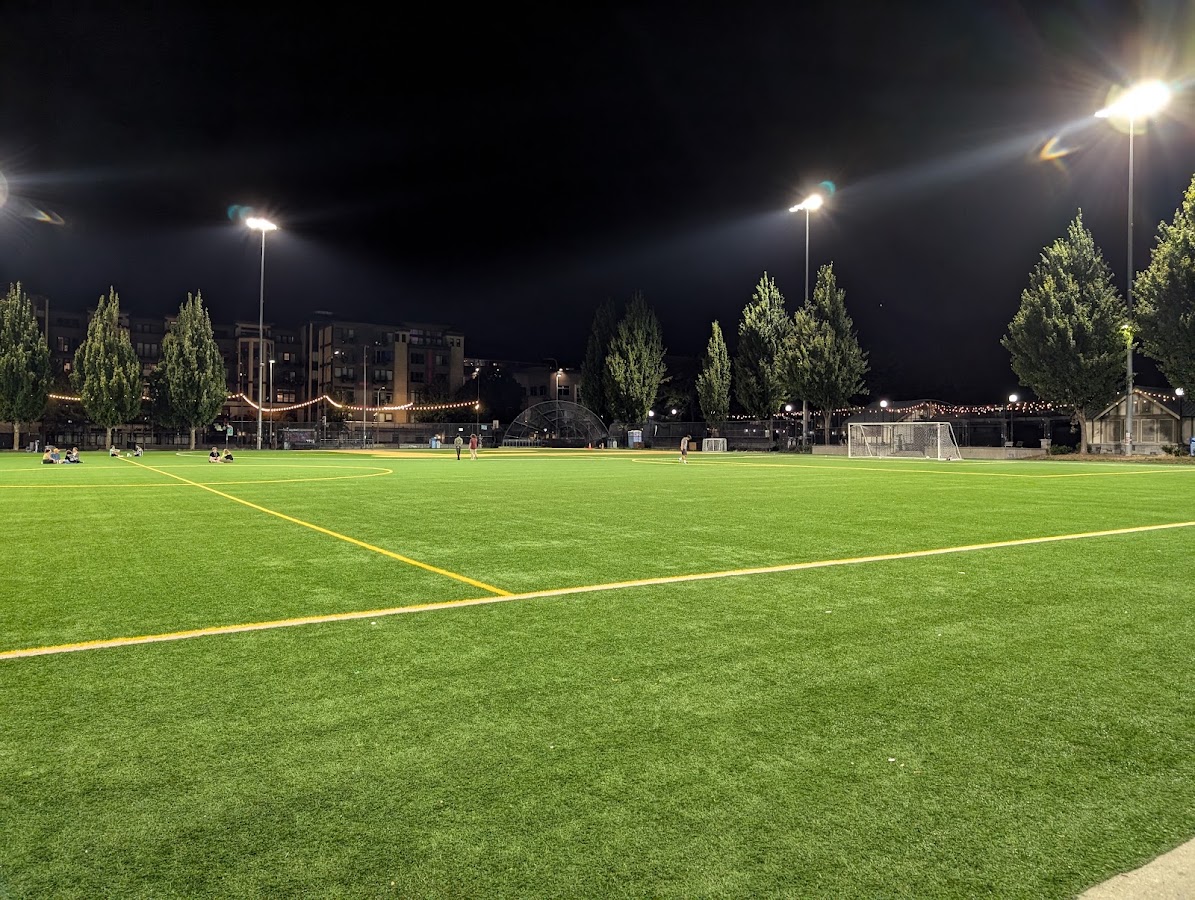
Bobby Morris Playfield sits in the middle of Cal Anderson Park, the busiest green space in Capitol Hill, and it's one of the most centrally located places to play pickleball in Seattle. It's also one of the most frustrating if you care about a clean game. The courts share a multi-use synthetic turf field, so the surface that makes it convenient is the same surface that ruins your bounce. For a casual social session it works. For competitive match play, it doesn't.
The surface reality
If you've ever planted your feet for a baseline drive and slid three feet across wet synthetic grass, you already know Bobby Morris. This isn't acrylic hardcourt. The racquet area shares real estate with a multi-use athletic field, and playing on turf changes the physics of the game.
The ball doesn't bounce so much as die. A standard outdoor pickleball is hard plastic built to rebound off asphalt or concrete. On woven turf fibers and rubber infill, the surface absorbs the energy. You have to bend lower and dig out low skidding balls that would come up waist-high on a real hardcourt.
The turf is also uneven. After years of soccer, ultimate, and steady foot traffic, the sub-base has settled inconsistently. Some players swear the field feels slightly tilted, with the ball drifting depending on which side of the net you're on. And the lines are dual-striped: tennis boundaries overlaid with pickleball, so a ball catching a seam between turf sections or a faded line can shoot off at an odd angle. Serious tactical play is nearly impossible.
The city knows the surface is worn. A $2,805,650 synthetic turf replacement, funded by the Seattle Metropolitan Park District, is in its design and permitting phase through Winter 2027, with construction slated for Summer 2027. Until then, you're playing on the old fibers.
Rain is a real hazard
In the Pacific Northwest, moisture is the constant opponent. On concrete, a light drizzle is a nuisance. On this turf, even a morning mist turns the surface into a slip-and-slide. The fibers trap water and put a thin film between your shoes and the ground, so chasing a lob or cutting laterally is a good way to lose your footing. From October through May, plenty of regulars skip it entirely rather than risk a fall.
| Court Feature | Bobby Morris Playfield (Turf) | Standard Seattle Hardcourt |
|---|---|---|
| Surface Material | Synthetic turf with rubber infill | Acrylic-coated asphalt/concrete |
| Ball Bounce | Low, damp, highly inconsistent | True, consistent, medium-high |
| Wet Traction | Poor; highly slippery when damp | Slow drying, but manageable traction |
| Footwear Wear | Low abrasive wear on outsoles | High abrasive wear on outsoles |
| Line Visibility | Dual-striped; visually distracting | Single-use; high visibility |
Booking, permits, and the walk-on gamble
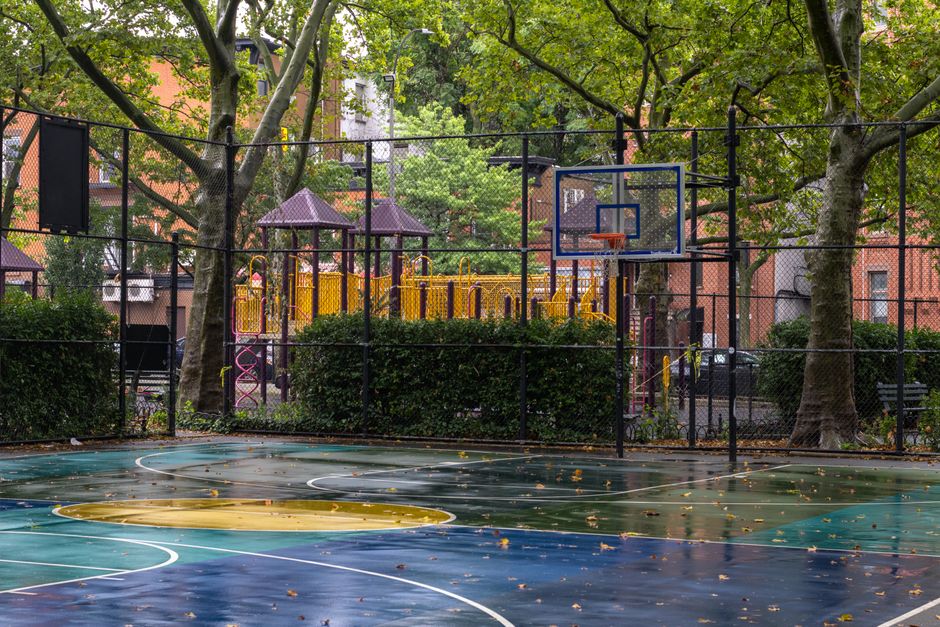
Seattle Parks and Recreation manages the outdoor court inventory through its Active Net portal, and the Amy Yee Tennis Center oversees reservations. To lock in time here:
- Create a verified account on the Active Net portal.
- Search for Cal Anderson Park outdoor tennis court availability.
- Reserve online, or call the Amy Yee Tennis Center directly at (206) 684-4764.
- Pay the municipal fee for your court permit.
- Keep the permit on your phone to settle any on-site disputes.
The system runs on strict scheduling windows, and competition in Capitol Hill is fierce. The park sits next to major transit and dense housing, so peak slots fill within minutes. If a booking conflict comes up, the player holding the official permit wins. Don't rely on a verbal agreement with whoever got there first.
Walking on without a reservation is a gamble. The park draws a heavy volume of recreational athletes and the courts are rarely empty during daylight. On dry summer weekends the wait can stretch past two hours, and because there's no staffed paddle rack, players self-police the line.
The Capitol Hill atmosphere
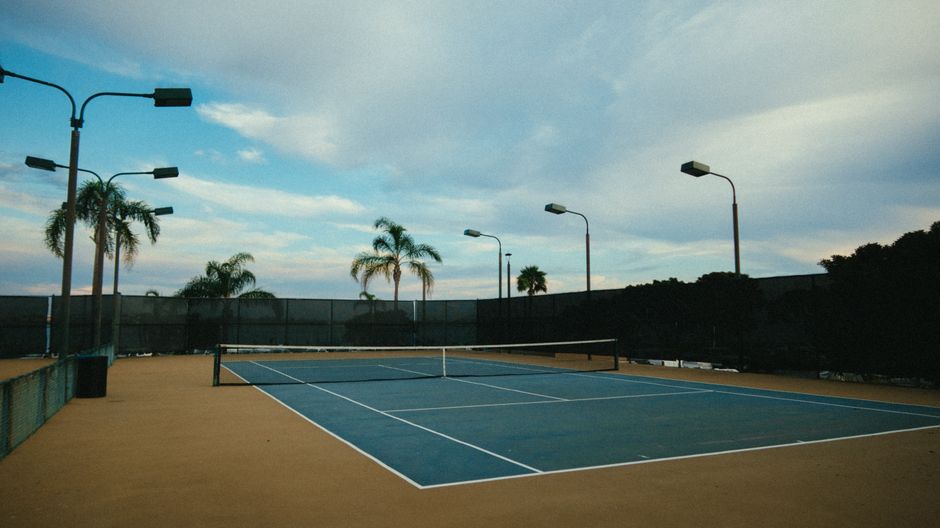
Cal Anderson is the social hub of Capitol Hill, so your match won't happen in a quiet country-club vacuum. A 3,325-foot walking path rings the area, packed with pedestrians, strollers, and dogs. The adjacent multi-use fields run an endless rotation of pickup soccer, ultimate, and even bike polo, and a stray soccer ball bouncing across your court mid-point is part of the deal. Add constant noise from the nearby light rail and street traffic.
The bathrooms near the shelterhouse are utilitarian and often crowded. Parking is famously hard and expensive, with limited street spots along 11th Avenue and nearby blocks. Tell anyone coming from outside the neighborhood to take the Link Light Rail to the Capitol Hill station, which exits just yards from the north end of the park.
Who should actually play here
If you're a competitive player working on third-shot drops and keeping your rating calibrated, this isn't your court. The low bounce rewards bad habits, the wind off the surrounding brick buildings alters ball flight, and the slick surface makes aggressive footwork risky.
But if you want social connection, casual exercise, and quick access to food and drinks, it's hard to beat. The energy of Cal Anderson makes every game feel like a community event, and when you finish you're seconds from the bars, coffee shops, and restaurants of the Pike-Pine corridor.
If you're tired of herding a group text every time you want to get four people on a court, KrazyPickles is a free way to handle the RSVPs, scores, and rankings so you can just show up and play. Sign in and set up your group.